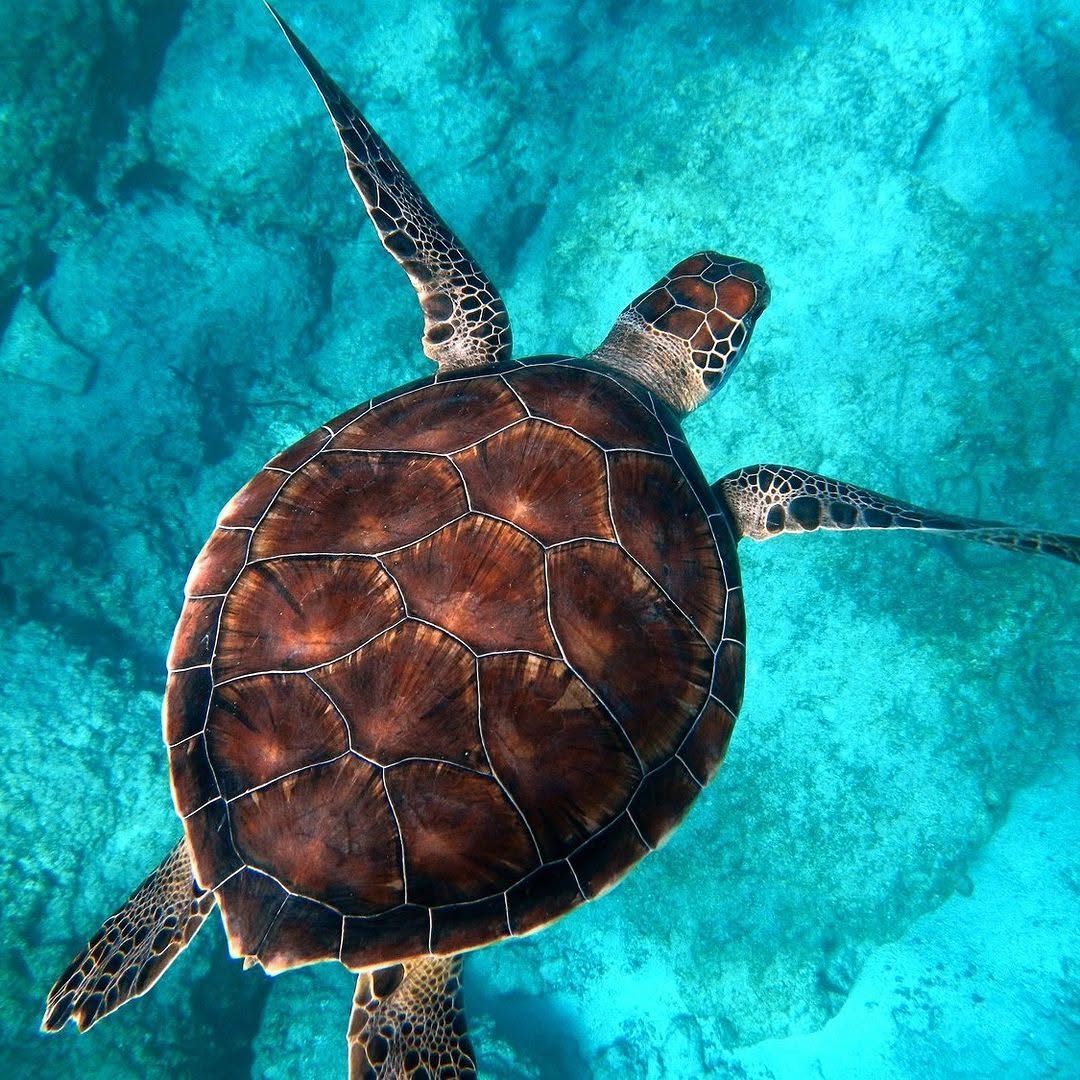
5 min · Direct access
Marine reserve
Watamu Marine Park
One of Africa's oldest marine reserves — protected since 1968. Some of the best snorkelling and diving on the East African coast, just minutes from the beach club.
Preserved, not produced.
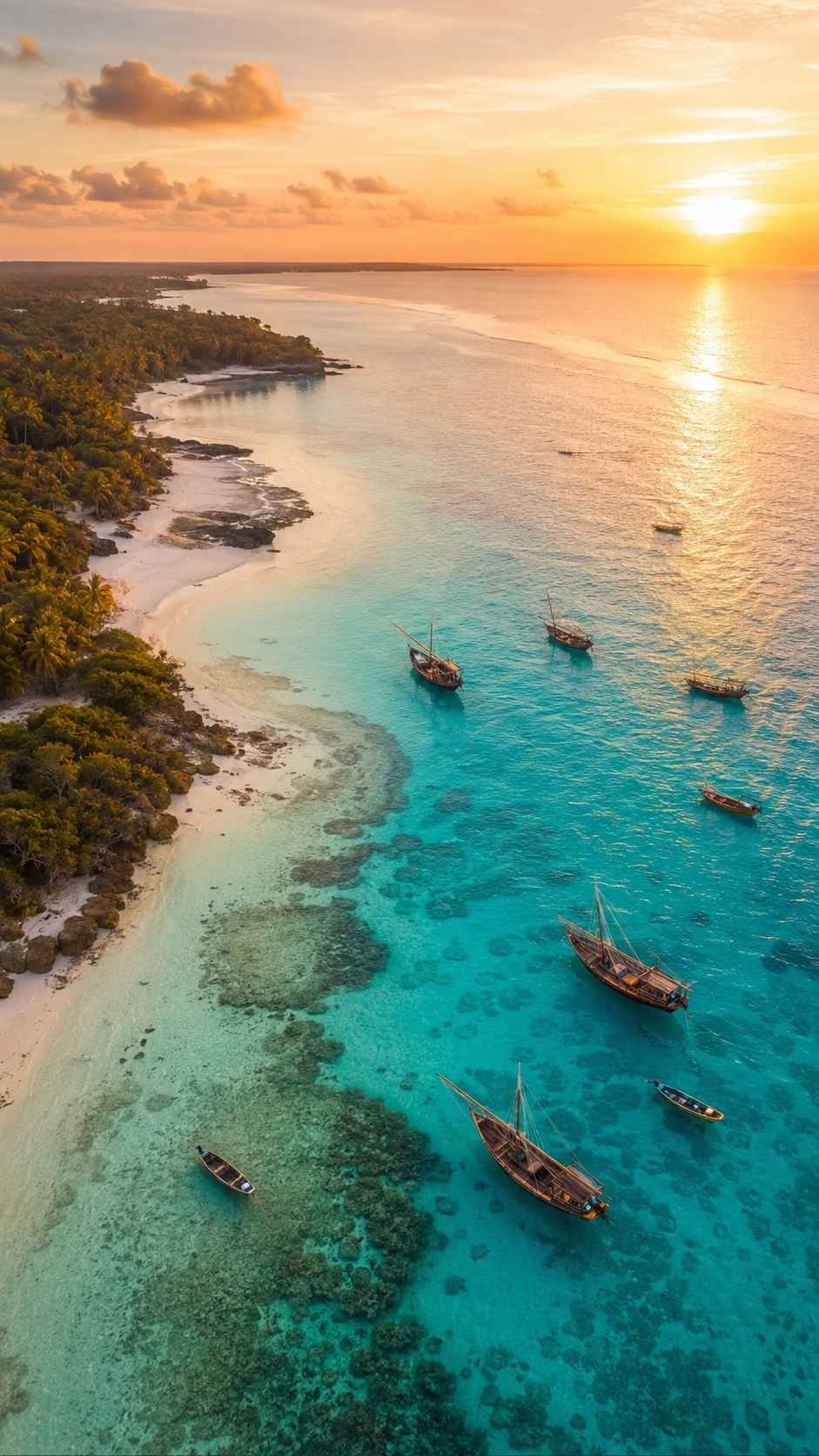
Watamu is a small fishing town on the Kenyan coast that the world has, mercifully, mostly missed. The big boats stop at Malindi, an hour up the coast. The mass-tourism hotels cluster further north. What remains, in the quiet bay of Mayungu — between Malindi and the protected waters of the Watamu Marine National Park — is something older. A stretch of white sand. A coral reef still alive. A rhythm of tides and wooden dhows that has set the day here for centuries.
Exploreans Watamu Beach Club & Villas sits on this bay. Seventeen villas, a central swimming pool, a clutch of palms, and a private beach club a short walk away — 150 metres of shaded path, no shuttle required. The architecture is low and considered. Thatch, lime and timber where it makes sense; nothing imported just to impress.
We didn't choose Mayungu because it was easy. We chose it because it has remained itself. The reef is alive. The fishermen still launch at dawn. The Watamu Marine Park, founded in 1968 and one of the oldest in Africa, holds some of the best-preserved coral on the East African coast. There is very little to add to a place like this — and a great deal to be careful not to spoil.
Come for the water. Stay for the slowness.
The Watamu Marine National Park is one of the oldest protected reserves in Africa — gazetted in 1968, and home to a coral reef that has, against the run of the times, kept its colour. The bay outside the property opens directly onto the marine reserve. Snorkel from the beach. Paddle to the dhows. There is no plan that beats the day itself.
Inland, the Arabuko Sokoke Forest — Kenya's largest surviving stretch of indigenous coastal forest — runs for some 400 square kilometres. Ten minutes south, the Gedi Ruins lie hushed under fig trees, the stone bones of a Swahili town abandoned in the seventeenth century. North, the rust-red badlands of Marafa cut through the coastal plain like an open wound.
Four villa types — from an intimate one-bedroom to a generous four-bedroom — each with its own kitchen, lounge and private veranda. Built for couples who want quiet, families who want room, and small groups who want both. All-inclusive, half-board, and self-catering arrangements available.
All villas include daily housekeeping, complimentary Wi-Fi, and access to every facility on the property.
A central swimming pool, a private beach club a short walk away, two restaurants, a wellness pavilion under the palms, and the kind of quiet that the rest of the world has mostly forgotten. The property is small by design — and complete in what matters.
A central freshwater pool surrounded by villas and shaded loungers. Open from sunrise to sunset, with a quiet end for swimming laps and a shallow side for children.
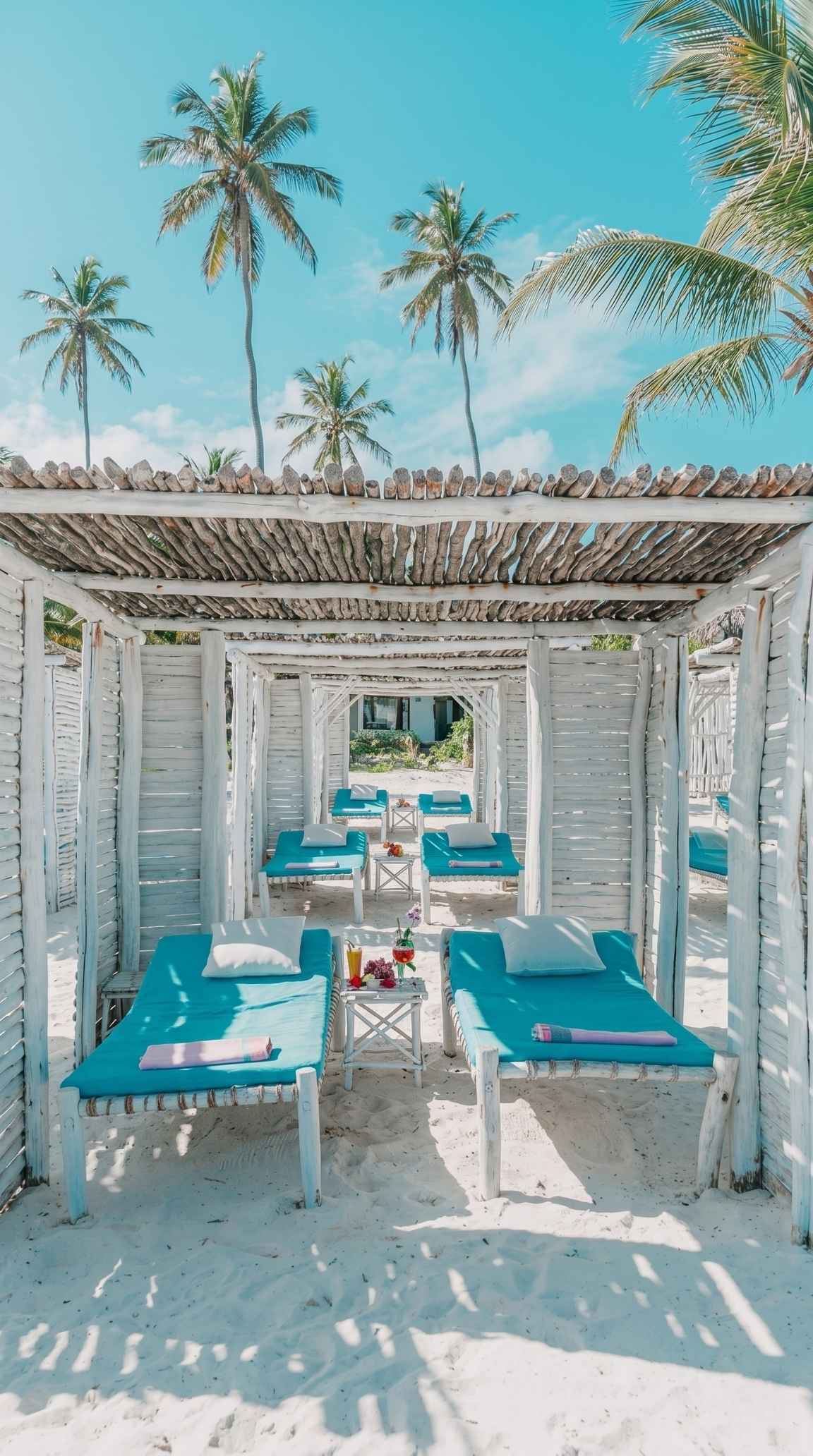
A 150-metre walk through the gardens to a private stretch of Mayungu beach. Makuti-thatched gazebos, sunbeds, fresh-water showers, and a beachside à la carte restaurant under the palms.
One in the heart of the property, one on the beach. Italian-rooted cooking, fresh Indian Ocean fish, coastal Swahili spice, and an à la carte menu that changes when the catch does. Open to non-resident diners.
A simple massage room, both at the property and at the beach club. Treatments and yoga on request. Quiet, unhurried, and free of celestial-themed treatments or piped-in music.
Indigenous palms, frangipani, bougainvillea, and the slow shade of casuarina. The grounds are designed to feel found, not landscaped — and to support the local birdlife rather than crowd it out.
Full trip planning for the whole Kenyan coast — Watamu Marine Park snorkelling, Tsavo East day safaris, Mida Creek mangrove tours, Gedi Ruins visits, dhow charters. Airport transfers from Malindi included on request.
Cooking at Watamu is simple, honest, and grounded in what arrives at the dock and what grows nearby. Italian heritage in the kitchen, Indian Ocean fish on the menu, coastal Swahili spice — coconut, tamarind, lime — woven through the day. Both restaurants are open to non-resident diners; reservations are recommended.
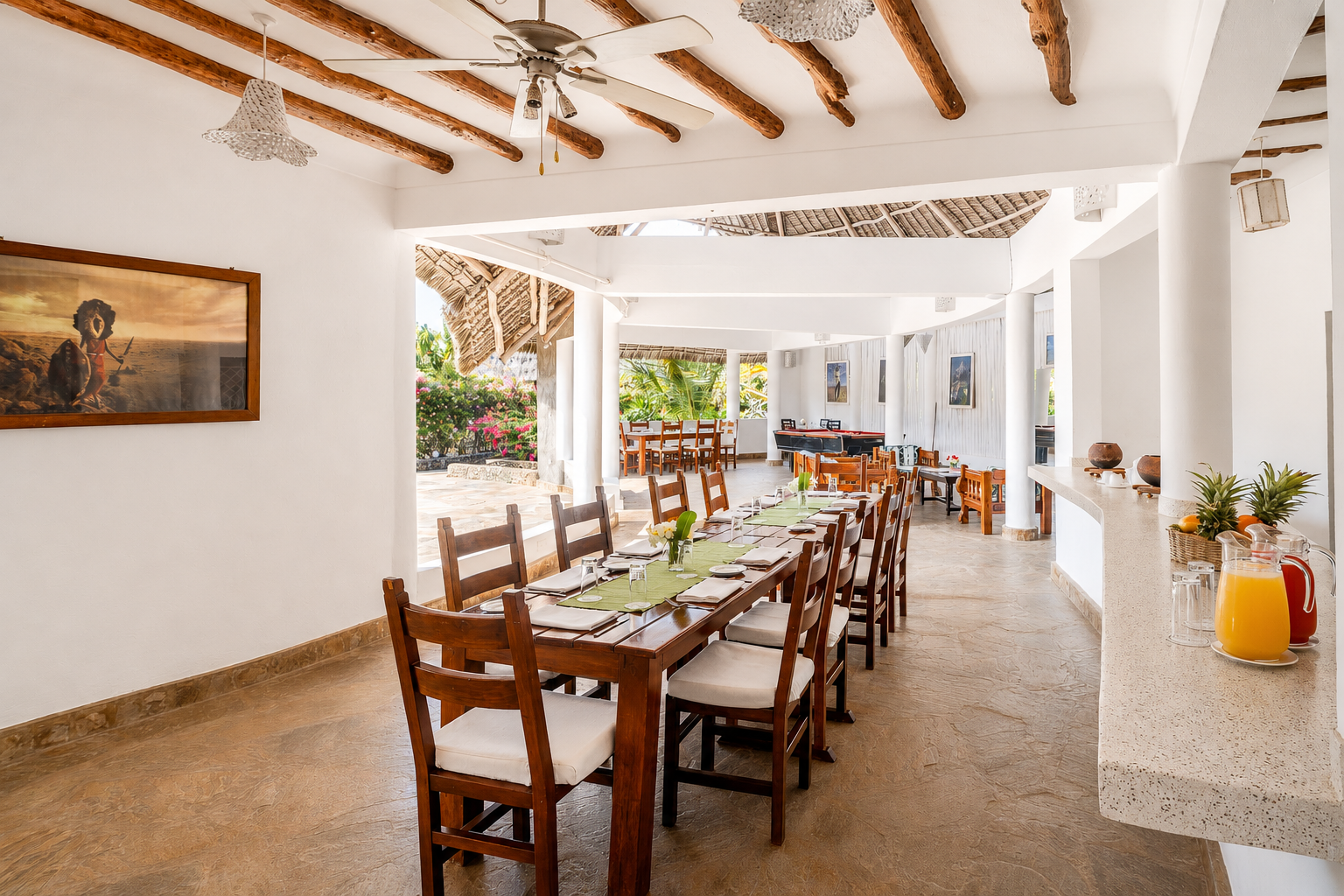
An open-sided restaurant in the heart of the property. À la carte at every service — Italian classics alongside East African and international plates, built around the morning's fish, local produce, and a short list of dishes that change with the catch.
Breakfast under the trees. Lunch on the long table. Dinner by lantern, with the sound of the bush a few meters away.
A second restaurant directly on the private beach club, set under a makuti gazebo with a clear view of the reef. Lighter than the main pavilion — grilled catch of the day, ceviche, fresh tropical fruit, and cold drinks that arrive without fuss.
The kind of lunch you stretch into the afternoon, then into a swim, then back to the table for one more thing.
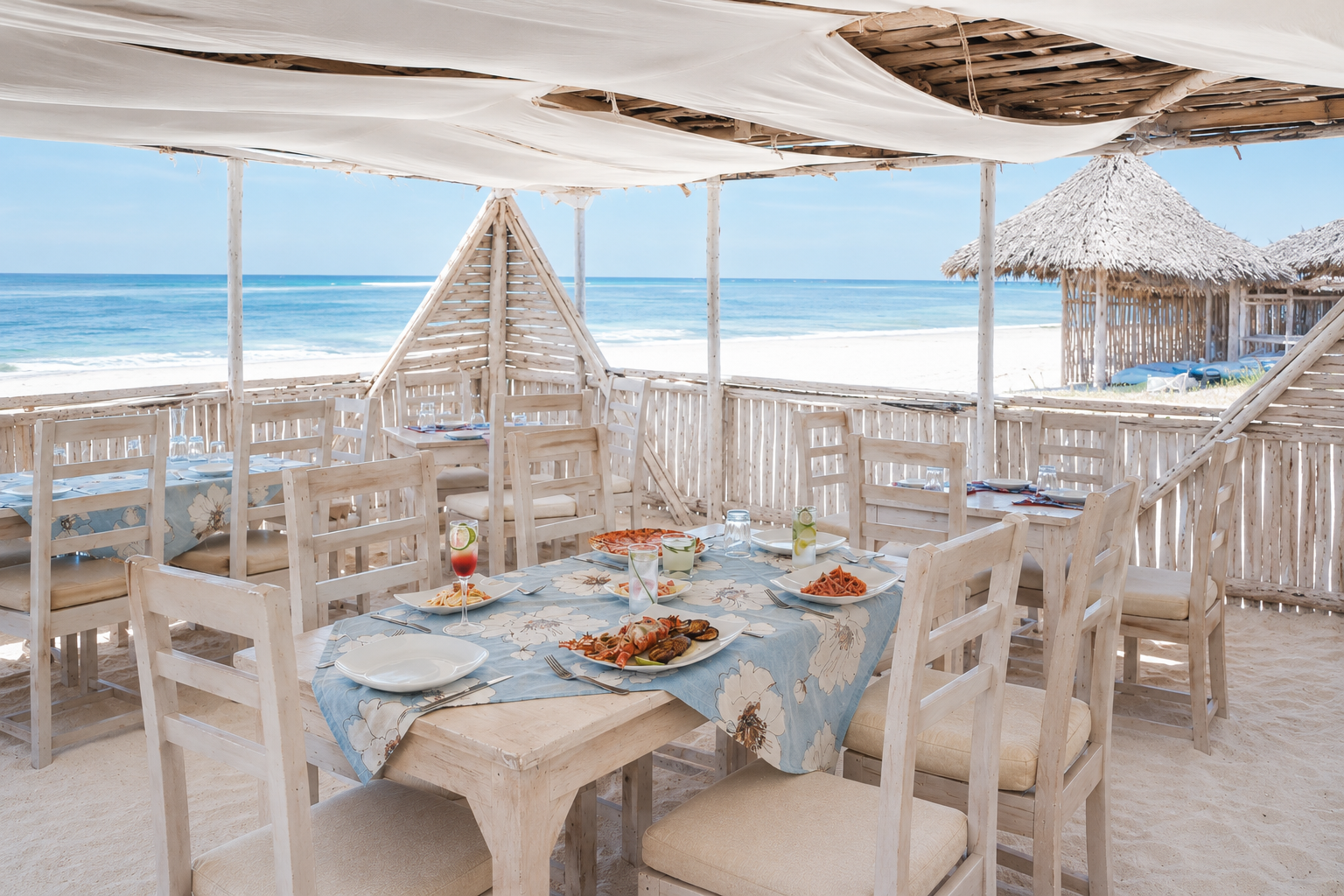
Mayungu Beach is one of the most spectacular stretches of the Kenyan coast — shallow, crystal-clear water; soft white sand; and at low tide, ribbons of sandbank that emerge offshore in vivid contrast to the turquoise sea. The private beach club of Exploreans Watamu sits directly on this bay.
The beach club is a 150-metre walk from the villas, through the property's tropical gardens. Guests have free use of the makuti-thatched gazebos and sunbeds, fresh-water showers, the beach restaurant, and the wellness pavilion.
The Watamu Marine National Park is a few minutes south. From the beach, a short paddle reaches the reef. Local guides arrange snorkelling, kayaking, dhow trips, and — at low tide — a walk out to the sandbanks that appear, briefly, in the open sea.
Traditional thatched shade, complimentary for resident guests; rentable for non-residents.
A second on-property restaurant, directly on the sand under a thatched gazebo.
A second massage room at the beach club. Booking recommended.
Showers, changing rooms and toilets, kept simple and clean.
Snorkelling, kayaking and small-boat trips into the Watamu Marine Park.
White sand islands emerge offshore at low tide — walk out, swim back.
Most of the best of the Watamu coast is within an easy day. Some things — Tsavo East, Marafa — are worth the longer drive. Our concierge team handles transfers, tour guides, and full excursion planning.
One of Africa's oldest marine reserves — protected since 1968. Some of the best snorkelling and diving on the East African coast, just minutes from the beach club.
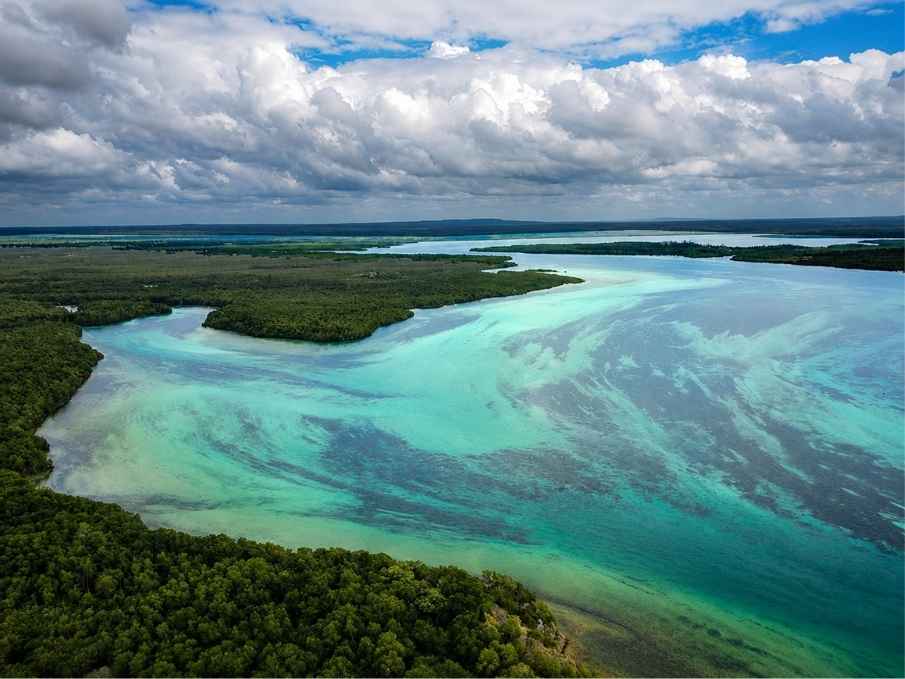
A natural inlet five kilometres deep, lined with mangroves. A canoe trip at low tide reveals crab channels, herons, and the slow architecture of the creek itself.
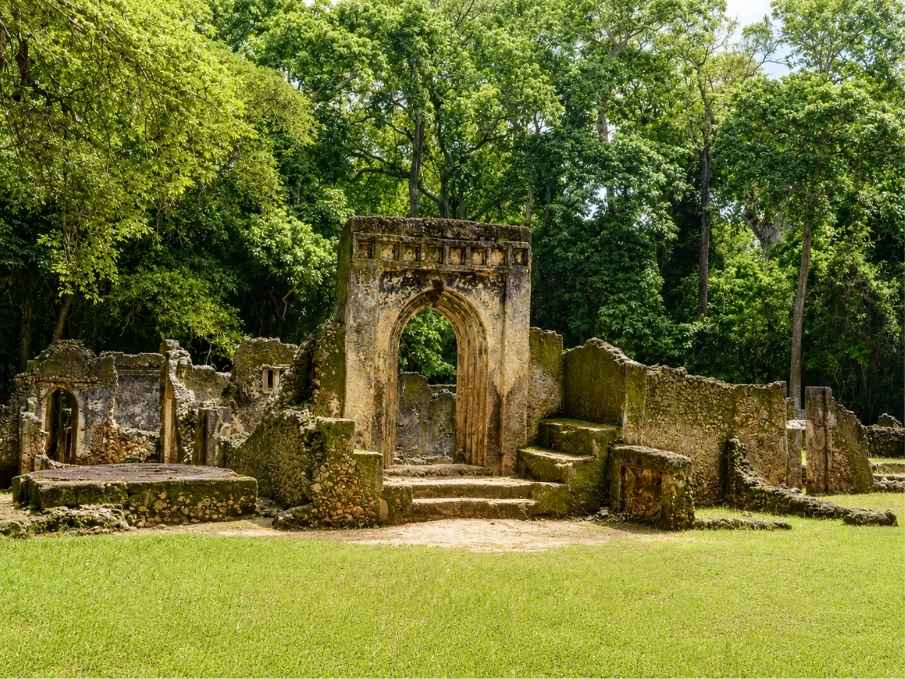
A thirteenth-century Swahili town, abandoned in the seventeenth, swallowed by the forest. The fig trees have grown into the stone. Visit early, when the site holds its quiet.
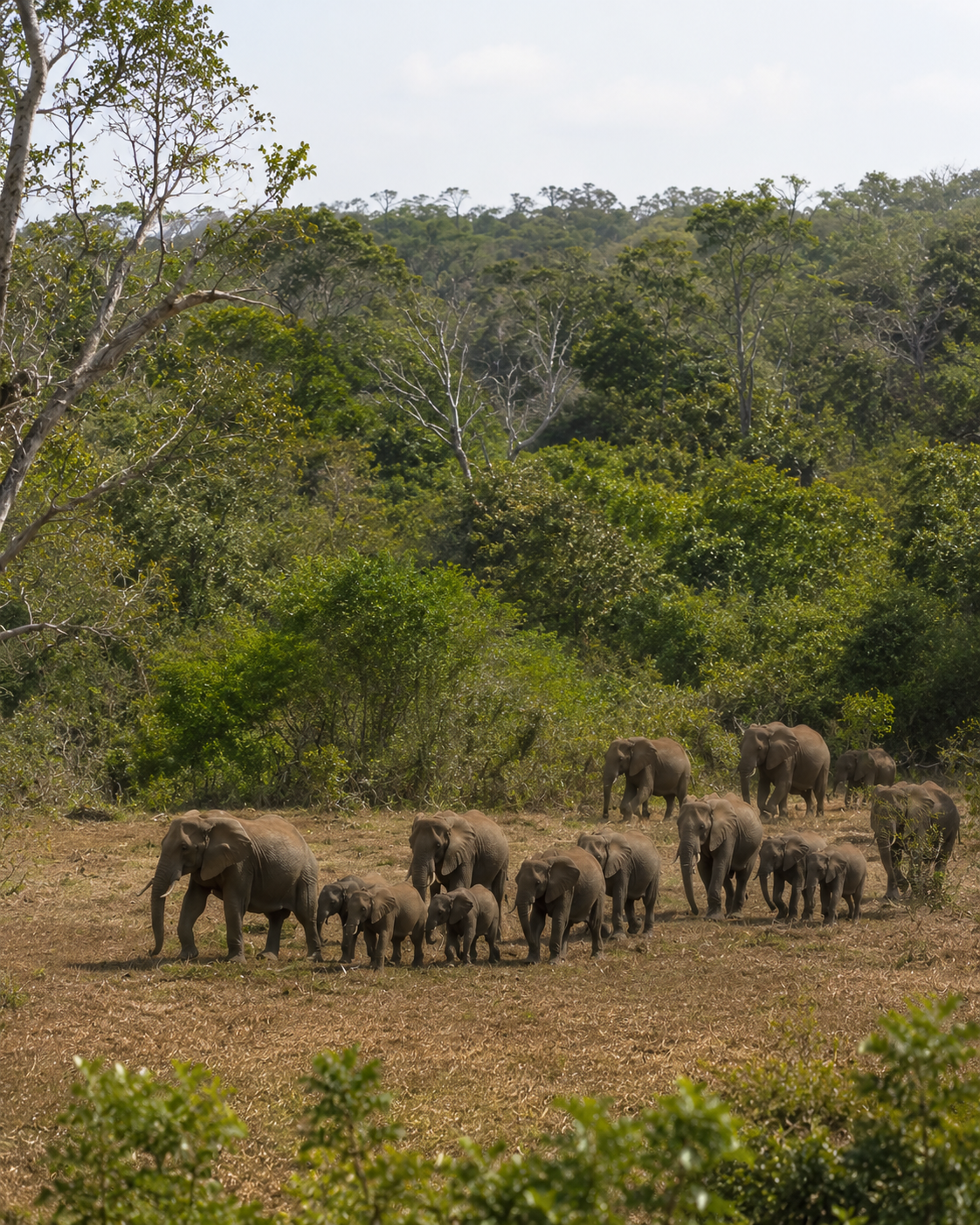
The largest surviving indigenous coastal forest in East Africa — 400 square kilometres of canopy. Home to monkeys, golden-rumped elephant shrews, and over 250 species of bird.

A full day of savannah, red-earth elephants, and open horizon. Kenya's largest national park, reachable as a long day trip from the property — or as the start of a longer safari extension.
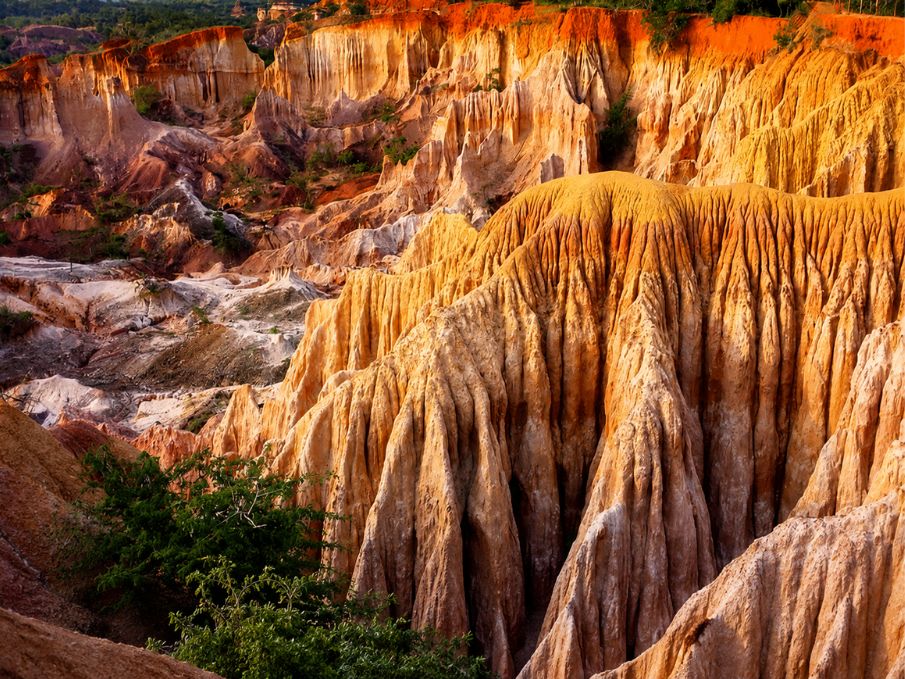
Locally known as Hell's Kitchen — a deep gorge of rust-red and ochre sandstone, carved by centuries of rain. Best visited late afternoon, when the colours arrive.
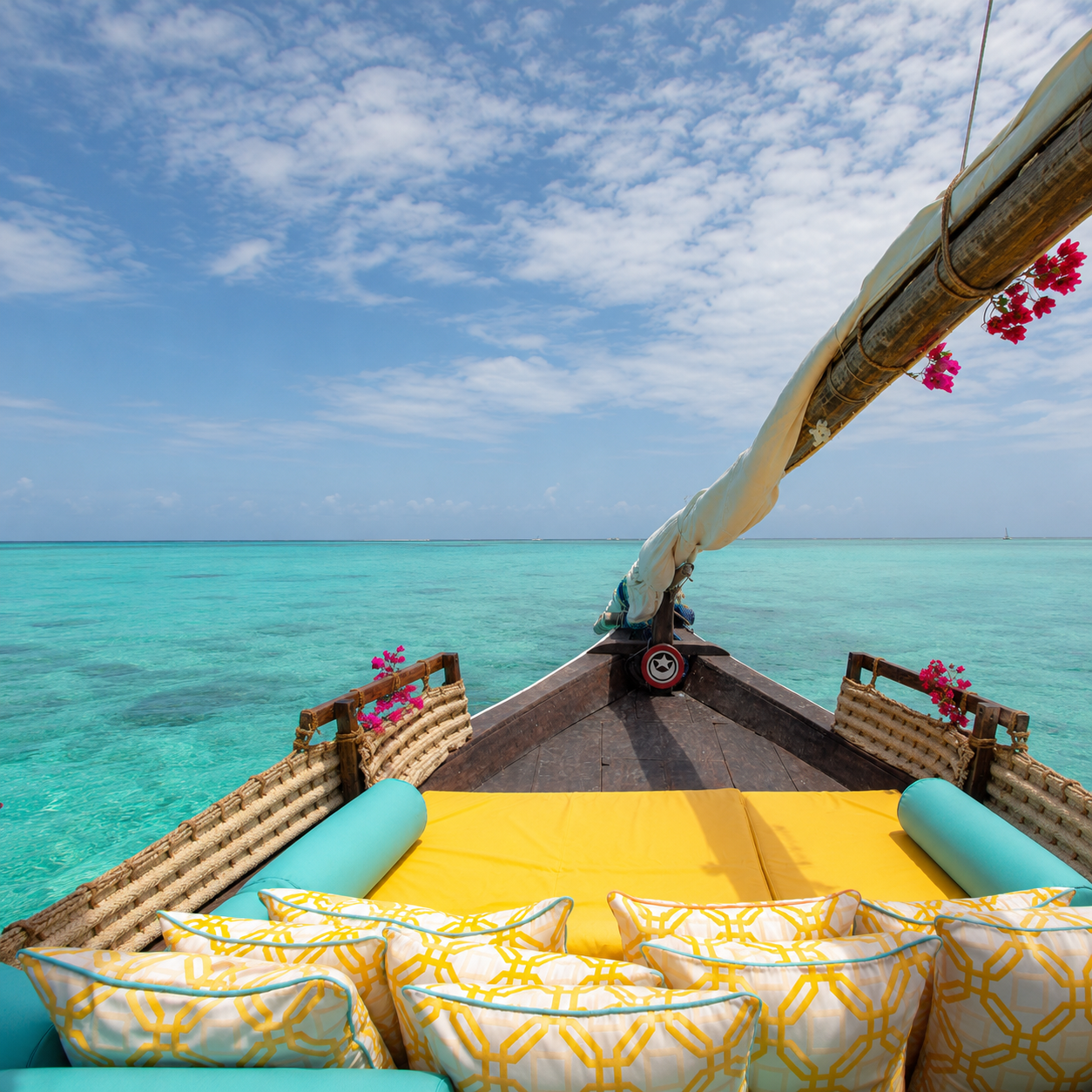
A full-day excursion on a traditional dhow — open water, snorkeling stops, and lunch on a sandbank that surfaces at low tide and disappears again by dusk.
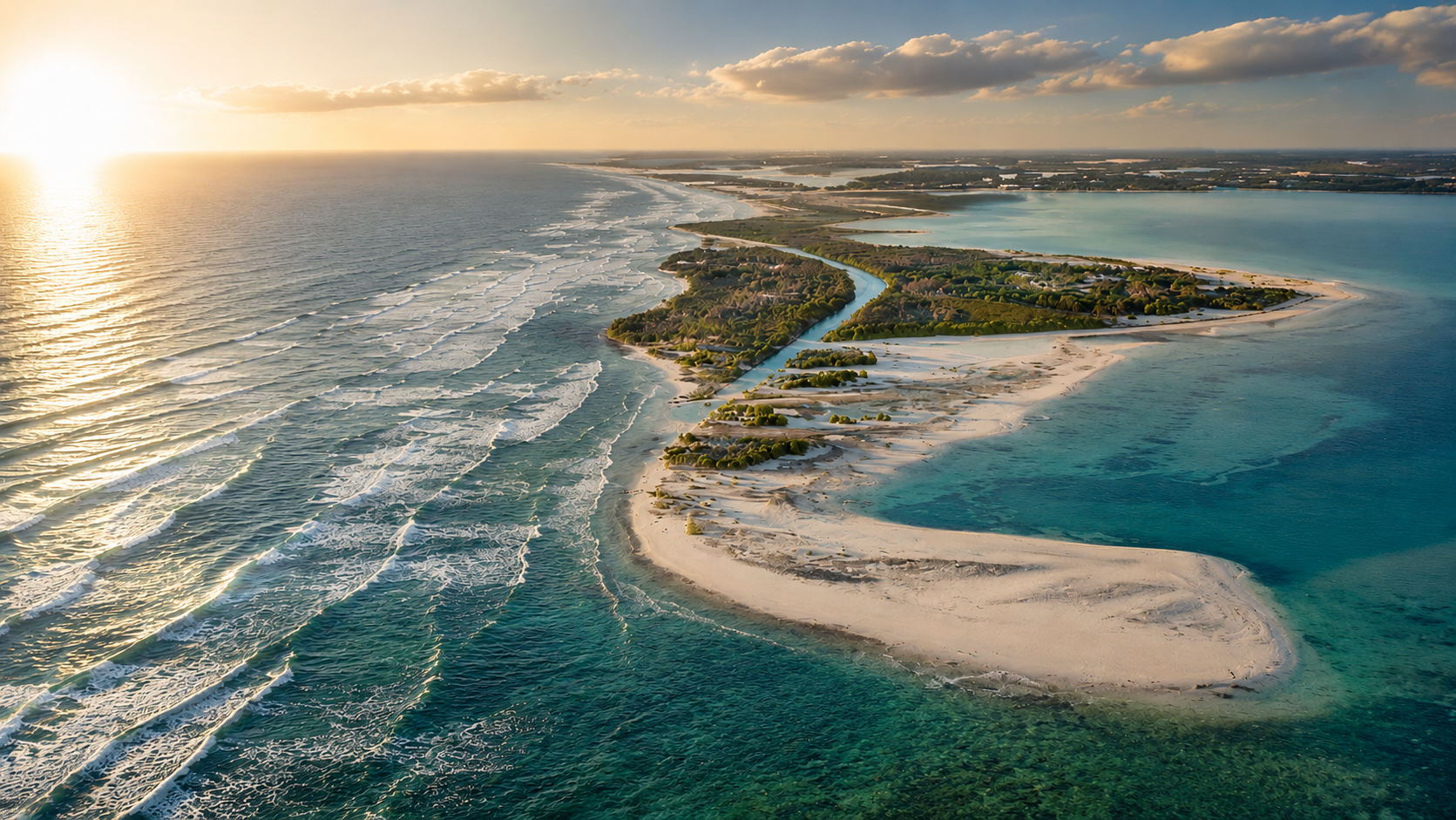
Reached by canoe across the lagoon. A small uninhabited island where pink flamingos and ibis herons gather, a quiet morning out, returned by lunch.
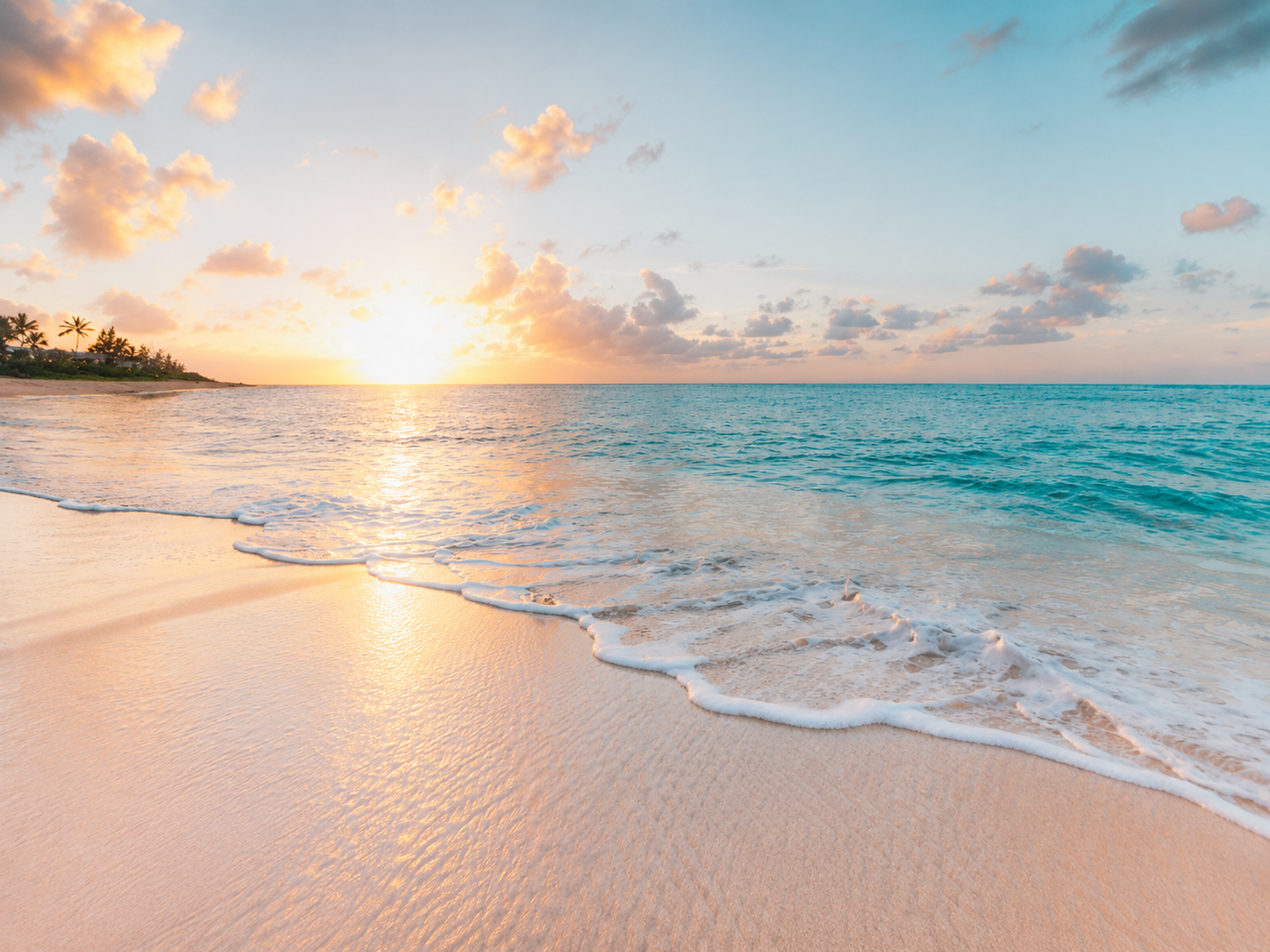
An uncontaminated stretch of coast, mostly empty even in high season. The real Kenya, for travellers who like a beach without an itinerary.
Our team plans transfers, guides and full itineraries. Tell us what you'd like to see.
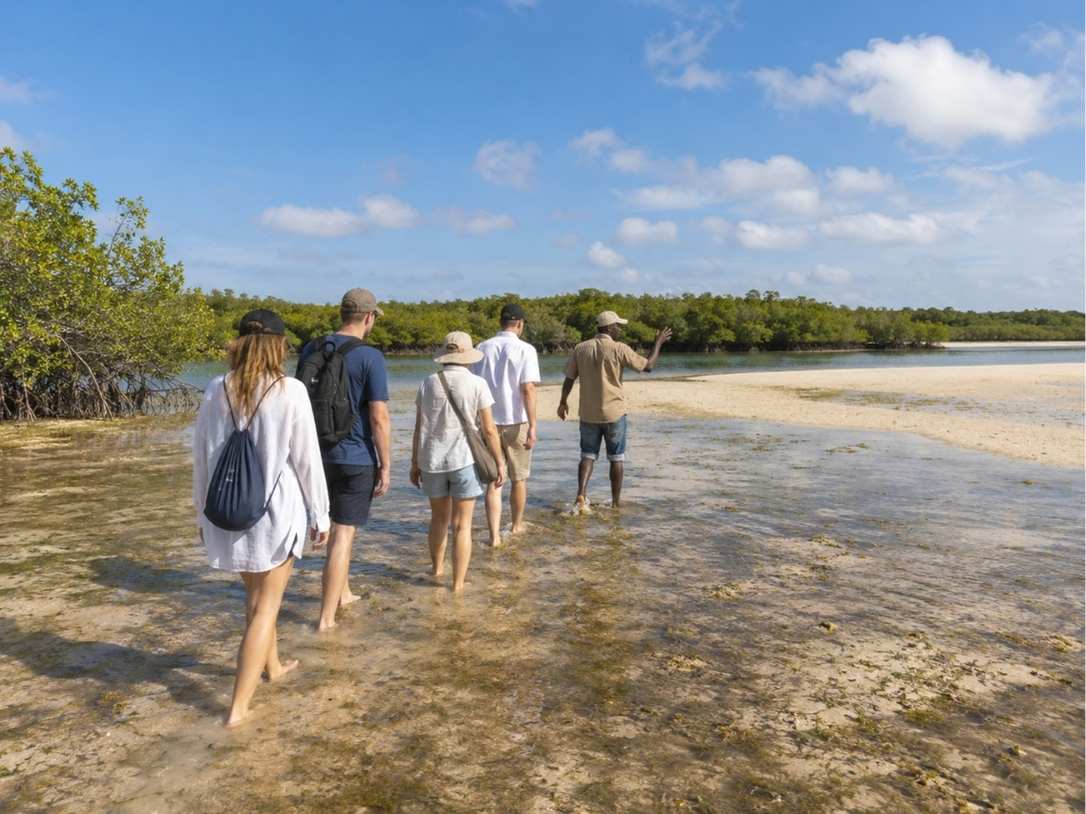
The channels open up. The mangrove crabs come out. The whole creek system reveals itself, briefly, between tides — and a guide who knows it makes the difference between a walk and a lesson.
Read the full story →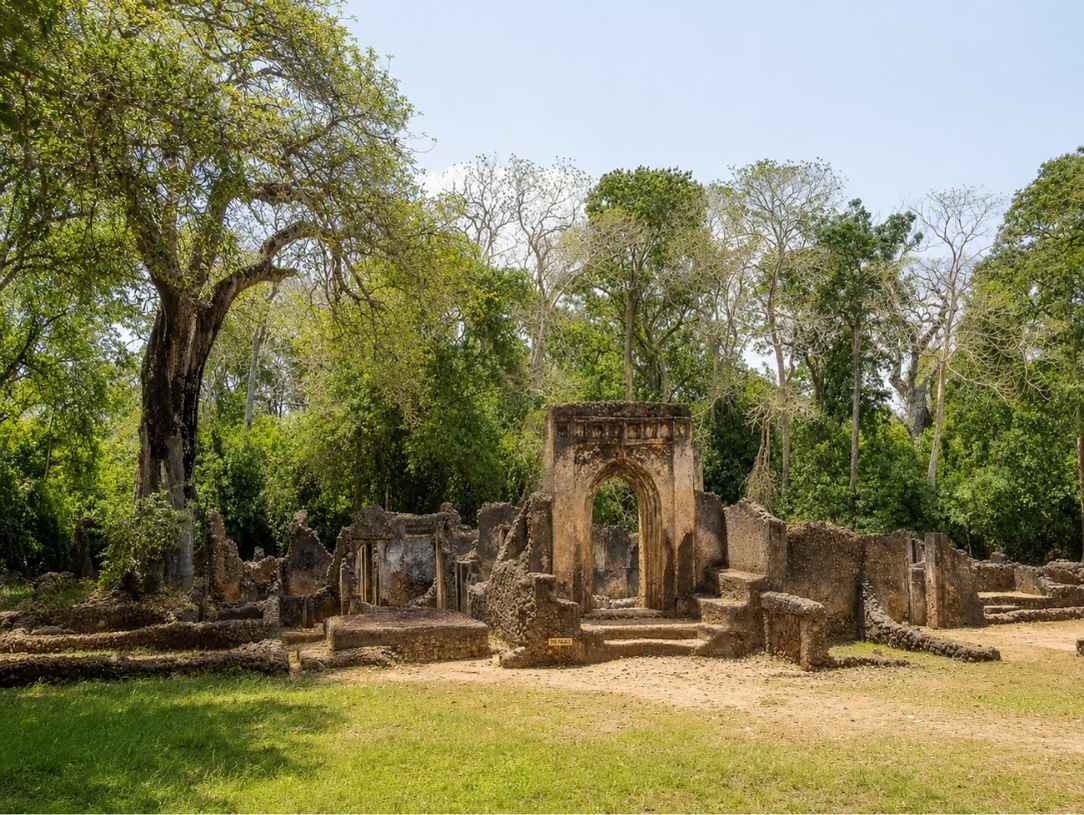
A 13th-century Swahili town, abandoned, swallowed by the forest. The fig trees have grown into the stone. The site keeps its quiet — and rewards the visitor who arrives without a crowd.
Read the full story →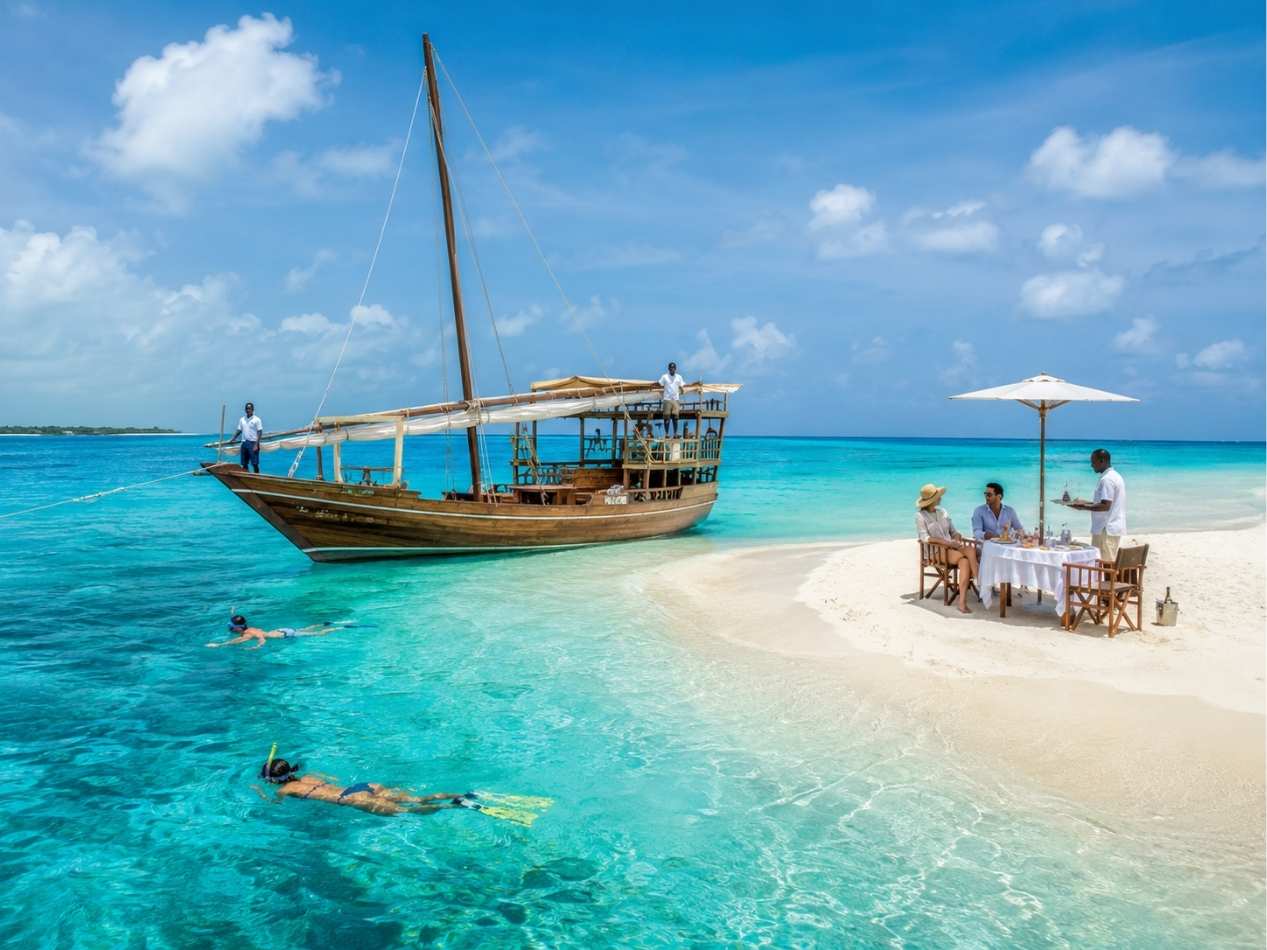
A day on a wooden dhow — open water, snorkelling stops, lunch on a sandbank that appears at low tide and is gone again by dusk. The oldest form of travel still on offer here.
Read the full story →Watamu is one of eleven properties under the Planhotel Hospitality Group — a Swiss-Italian independent headquartered in Lugano, with three distinct hospitality brands across the Indian Ocean and East Africa.

Refined, gracious five-star hospitality across the Maldives, Kenya, and Zanzibar — where guests return, generation after generation.
Visit Diamonds →
Warm, all-inclusive, activity-rich island resorts. Holidays where boredom is simply not an option, for families and friends alike.
Visit Sandies →
Intimate camps, lodges and retreats in remarkable landscapes. The Watamu Beach Club & Villas sits alongside the Mara River Camp in the wider collection.
Visit Exploreans →